
What’s the Difference Between 316 Marine Grade and 304 Grade Stainless Steel Mesh?
June 18th, 2026
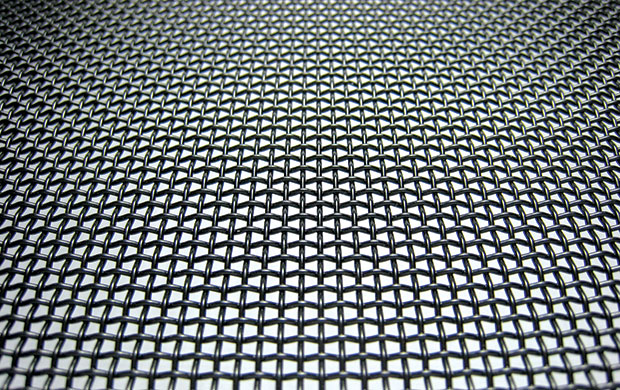
When comparing security screens, one of the most important questions is 316 vs 304 stainless steel, which grade is the mesh actually made from? Not all stainless steel is equal. The difference between 304 and 316 stainless steel mesh is significant, especially for Australians living in harsher coastal conditions
Stainless steel
Stainless steel is an alloy of iron combined with chromium, nickel and other elements. The chromium content at least 10.5% is what gives stainless steel its anti-corrosive properties. Chromium reacts with oxygen to form a thin protective film on the surface of the steel, creating a barrier against further oxidisation.
Both 304 and 316 stainless steel contain chromium, which is why both offer some corrosion resistance. But there is one critical difference between them.
Grade 304 stainless steel
Grade 304 is widely used across a variety of outdoor applications including kitchen appliances, electrical enclosures, storage tanks and piping. Its combination of 18% chromium and 8% nickel gives it good resistance to moderately acidic environments, making it suitable for non-severe applications. It is easy to fabricate, clean and comes in a range of finishes.
Marine grade 316 stainless steel
Marine grade 316 stainless steel is similar to Grade 304 with one critical difference, it contains 2% to 3% molybdenum, a metallic element that significantly enhances resistance to chloride corrosion, salt spray and brine. This makes 316 the superior choice for coastal and industrial environments where 304 falls short.
316 is also much more resistant to sulfuric acid, chlorides, bromides and fatty acids at high temperature. Its non-reactive qualities make it the standard for medical surgical instruments and pharmaceutical manufacturing, environments where corrosion resistance cannot be compromised.
Like 304, it is durable, easy to fabricate, clean and finish. Unlike 304, it is built for Australian coastal conditions.
Corrosion
So, what exactly is corrosion and why is it a problem when it comes to security screens?
Corrosion is the process of deterioration through oxidation, a chemical reaction that creates oxides which flake away, exposing the surface underneath to further damage. In metal, this most commonly appears as rust, formed when iron molecules combine with oxygen and water.
Security screens are constantly exposed to the elements, making corrosion resistance critical. Salt is particularly aggressive especially if you live near the coast, salt spray accelerates corrosion even in screens marketed as stainless steel. The grade of steel makes all the difference.
316 vs 304 Stainless Steel: Key Differences at a Glance
| Feature | 304 Stainless Steel | 316 Marine Grade Stainless Steel |
|---|---|---|
| Chromium content | 18% | 16-18% |
| Nickel content | 8% | 10-14% |
| Molybdenum | None | 2-3% |
| Salt spray resistance | Moderate | Superior |
| Coastal suitability | Not recommended | Recommended |
| Tea staining risk | High | Low |
| Chloride corrosion resistance | Low | High |
| Mesh thickness required to pass AS5039 knife shear test | Thicker required | Thinner - inherently stronger |
| Medical/pharmaceutical grade | No | Yes |
Not all stainless steel security screens are equal. When comparing products, always check the mesh grade, 304 and 316 are not interchangeable in coastal Australian conditions.
Tensile Strength and Wire Diameter
Corrosion resistance isn’t the only factor that matters when comparing mesh grades, strength and elongation behaviour under impact matters too.
Some 304 grade mesh products are manufactured with a thicker wire diameter to compensate for inherent lower strength, relying on that extra bulk to pass impact and knife shear testing. This adds weight and reduces visibility and airflow without solving the underlying corrosion problem.
316 marine grade stainless steel doesn’t need this workaround. Because of its superior tensile strength, CommandeX’s 316 mesh passes AS5039 knife shear testing at a thinner wire diameter than 304 requires, delivering a screen that is inherently stronger, not just thicker. This is also why CommandeX mesh delivers the sleeker, more transparent look mentioned above, strength and clarity aren’t a trade-off with 316, the way they can be with thicker 304 alternatives.
CommandeX and 316 marine grade stainless steel
Every CommandeX woven stainless steel mesh product, BasiX, SecureView Eclipx and SaltWaterSeries are all manufactured using 316 marine grade stainless steel. CommandeX does not offer a 304 mesh option because we don’t believe it meets the standard required for Australian homes.
CommandeX has independently tested this claim. SecureView Eclipx frame coating achieves 1,000 hours under the neutral salt spray test AS2331.3.1, while the stainless mesh coating achieves 10,000 hours under AAMA 2605.05.
For Extreme Coastal Environments – SaltWaterSeries
For properties within 500 metres of the coastline, or up to 2 kilometres where prevailing winds carry salt air, CommandeX offers the SaltWaterSeries, a security screen specifically engineered for extreme coastal conditions. Built on the same 316 marine grade foundation as SecureView, the SaltWaterSeries features an additional protective powder coating layer specifically formulated for harsh corrosive environments. The frame coating is independently tested to 3,000 hours under AS2331.3.1, three times the standard SecureView result. Backed by a 20 year extended warranty, the SaltWaterSeries is the only dedicated extreme coastal security screen product available in Australia.
The verdict?
316 marine grade stainless steel is the clear winner for security screens in Australian conditions. 87% of Australians live within 50 kilometres of the coast and for those within 2 kilometres of the shoreline or on elevated properties where prevailing winds carry salt air, 316 marine grade is not optional, it’s essential.
Fitting security screens is something most homeowners do once. Choose 316 and you won’t need to do it again.
Frequently Asked Questions
What is marine grade stainless steel?
Marine grade stainless steel refers to steel alloys containing molybdenum, typically 2-3%, which significantly increases resistance to chloride corrosion, salt spray and brine. 316 stainless steel is the most common marine grade used in security screens, coastal infrastructure and marine hardware, offering far superior corrosion resistance than standard 304 grade steel, which lacks molybdenum entirely.
What is tea staining in stainless steel?
Tea staining is surface discoloration caused by chloride ions penetrating the chromium barrier of stainless steel, creating localised corrosion known as pitting. This is more common in 304 grade since it is lower level of stainless steel compared to 316 grade. Tea staining does not necessarily compromise structural integrity but indicates corrosion is occurring beneath the surface.
Is 304 stainless steel marine grade?
No. Grade 304 stainless steel is not classified as marine grade. Marine grade classification requires the addition of molybdenum, which 304 does not contain.
Is 316 stainless steel marine grade?
Yes. 316 is classified as marine grade stainless steel due to its molybdenum content, which provides superior resistance to salt spray, chloride corrosion and harsh coastal environments
Does 316 stainless steel look better than 304?
Yes. 316 marine grade stainless steel maintains its appearance significantly better over time. Because it resists tea staining and surface corrosion, 316 mesh retains its clean finish in coastal and humid conditions where 304 would show visible discolouration. Along with that thinner 316 mesh delivers better visibility and a cleaner aesthetic with the screen virtually disappears into the frame.
Are security screens near swimming pools at risk of corrosion?
Yes. Pool water contains chlorine which produces chloride ions in the surrounding environment. Splashing, humidity and evaporation mean the area immediately around a pool is a chloride rich environment similar in effect to coastal salt air. 304 grade stainless steel is susceptible to pitting and tea staining in chloride environments. For homes with pools CommandeX recommends 316 marine grade stainless steel mesh as a minimum specification.